
Over Pricing vs Underpricing Strategies Every Seller Should Know
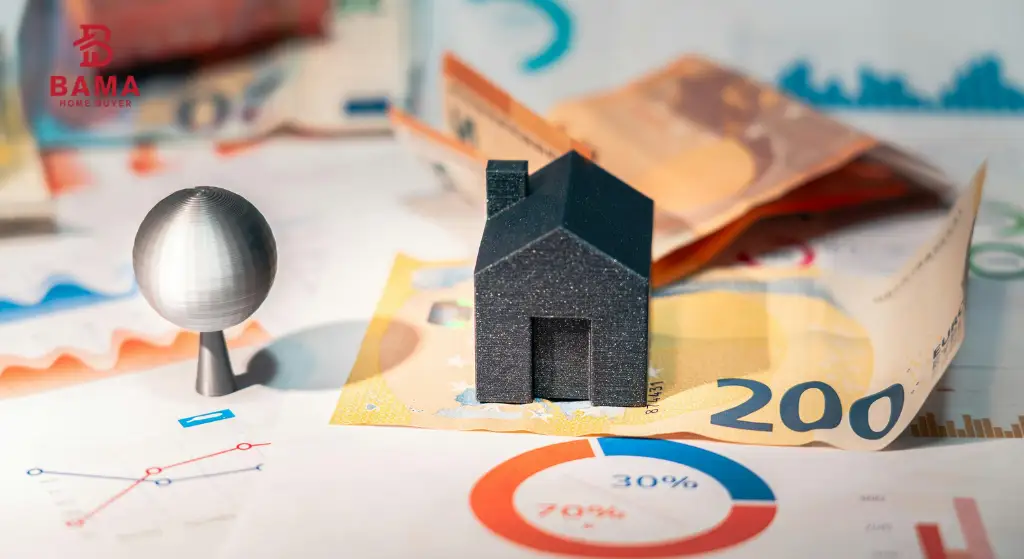
Selling your home is not just about sticking a big number on a sign. You want to walk away with as much as you can, but you’re also nervous about pricing it so high that no one bites or so low that you leave money on the table. That tension between overpricing and underpricing isn’t random; it’s the strategy that can make or break up your sale. Mess it up, and your house could just sit there. It will gather dust. Or, worse, you might sell for less than it's worth.
Finding that perfect price is a big deal. It means your place sells quicker. Often, you get more money. And there's way less stress. You need to know about your market. You need to understand buyers. And you need to make smart moves from the start.
Thinking of selling your house in Alabama? Visit Bamahomebuyer.com for a fair, fast offer.
Price isn’t just a number; it’s the first story buyers hear about your home. Come in too high and many will scroll right past, assuming you’re unrealistic or not serious.
Go too low, and some buyers start wondering what’s wrong with it—or they swoop in hoping for a steal you never meant to offer. Getting that number in the right zone is what keeps the sale moving smoothly instead of turning into a long, draining slog.
The Problem with Overpricing: Why Asking Too Much Can Blow Up in Your Face
It's tempting, right? You want to put a big number in your house. We all think our home is the best. But pricing it too high is like putting up a "Go Away" sign for buyers. It's a common mistake. And it usually causes a lot of trouble.

Just Sitting There: The "Stale Listing" Problem
When your house is too expensive, it just sits. Days turn into weeks. Weeks turn into months. Smart buyers notice this. A house that's been for sale forever looks weird. They'll think:
- "What's wrong with this place?" (Good question, honestly.)
- "Why hasn't anyone bought it?"
- "Maybe the sellers are just greedy."
This "stale listing" makes your home less appealing. Even if it's great. People start to doubt it. And your chances of a good offer shrink.
The "Price Drop" Trap
So, your overpriced house isn't being sold. What do you do? You cut the price. Then maybe you cut it again. Each price drop yells "Weak!" to buyers. They see this. They think, "Aha! They're desperate. Let's offer way less." It's a losing game. You almost always sell for less. That's less than if you'd priced it right from day one. It stings, honestly. Losing money because you messed up early.
Missing That "New House" Excitement
When a house first goes up for sale, everyone looks. People who have been searching to jump on new listings. This is your best chance for many offers. And a strong sale. If your price is too high, you will miss this moment. By the time you drop the price to something fair, that first excitement is gone. The keen buyers have moved on. You basically wasted your best shot. That's a bummer.
The Trick of Underpricing: When "Low" Can Mean "More Money"
This sounds strange, right? You purposefully price your house for less than you think it's worth. But in the right market, this can be smart. It's not giving your house away. It's about making people really want it.
Starting a Bidding War
Price your house just under what it's worth. Suddenly, everyone wants it. Buyers see a great deal. They worry about missing out. This can lead to:
- Lots of Offers: Many people are trying to buy your house.
- Offers Above What You Asked For: Yes, you heard that right. Buyers get competitive rates. They often offer more than the listed price.
- Quick Sale: Your house sells fast. Less hassle for you.
This works because of how buyers think. They see value. They see competitions. So, they act fast and push hard.
Reaching More People, Getting More Views
Listing a bit lower helps your home show up in more online searches. A buyer capped at 300,000 will never see a home listed at 310,000, but they will see it at 295,000. That extra visibility usually means more showings, more interest, and a better shot at the right buyer, sometimes at a price that surprises you in a good way
Setting a Floor, not a Ceiling
Pricing a bit under market is not about limiting what you can get; it is about setting up your starting line. You are essentially saying, “This is my minimum; now let’s see how high the market wants to go.” That more attractive entry price tends to create buzz, pull in more buyers, and spark the kind of competition that nudges offer upward. In many cases, the final number ends up higher than what you would have dared to list at in the first place
Finding the Sweet Spot: The Smart Way to Price
So, how do you hit that perfect price? It's not magical. But it needs careful thought. And a good feeling for your local area.
Know Your Comps (What Other Houses Sold For)
This is the most important step. Look at similar homes that have just sold in your neighborhood. Not just what they're asking for. But what they actually got. Pay attention to:
- Size and layout: Is it yours?
- Condition: Is it updated, or does it need to work?
- Features: How many bedrooms/bathrooms, garage, yard size?
- Location: Same street, same school zone, same general feel?
These "comps" give you a real idea of what people pay for places like yours.
How Your House Looks Matters, Big Time
Be honest about your home's condition. A house needing a new roof won't get the same price as one ready to move into. Think about repair costs. Sometimes, a little money on fresh paint or small fixes can really boost your asking price. And it makes buyers more interested. Don't hide problems. Either fix them or price the house knowing they're there. No sense of fooling anyone.
What is the Local Market Doing? Hot or not?
Is it a buyer's market (many houses, few buyers)? Or a seller's market (many buyers, few houses)?
- Seller's Market: You might have more room for higher prices. Or you can use the underpricing trick for a bidding war.
- Buyer's Market: You need to be very sharp with your price. Maybe even the price is a bit low to get attention. And to avoid a long wait.
Knowing what the market is doing right now is super important. It’s about feeling the pulse of your specific neighborhood.
Ask Someone Who Knows
This isn't to brag; it's just smart. A good local agent doesn't just open doors. They know the market inside out. They give you an honest take. It's all based on real numbers. This shows your home's worth. And it helps you with the whole pricing question. They have seen countless homes come and go. They know what buyers want. And they can help you avoid expensive mistakes.
Ready to figure out the perfect price for your home and sell with confidence? Visit Bamahomebuyer.com for a no-obligation cash offer on your house today.
Conclusion
The price you put on your home is more than just a number. It's your first big move in a serious game. Asking too much can leave your house just sitting there. That means price cuts hurt. Buyers just lose interest. But pricing is a bit low. If you do it smartly, it can get people excited. It can start a bidding war.
And you sell faster, for more. Finding that right price isn't a guess. It's about seeing what other homes actually sold for. It means being honest about your house. It means understanding the market. And often, it means getting smart advice from a local pro. Get this bit right. Then you're well on your way to selling your place smoothly and happily.