
The importance of Commercial Real Estate Due Diligence: A complete Checklist
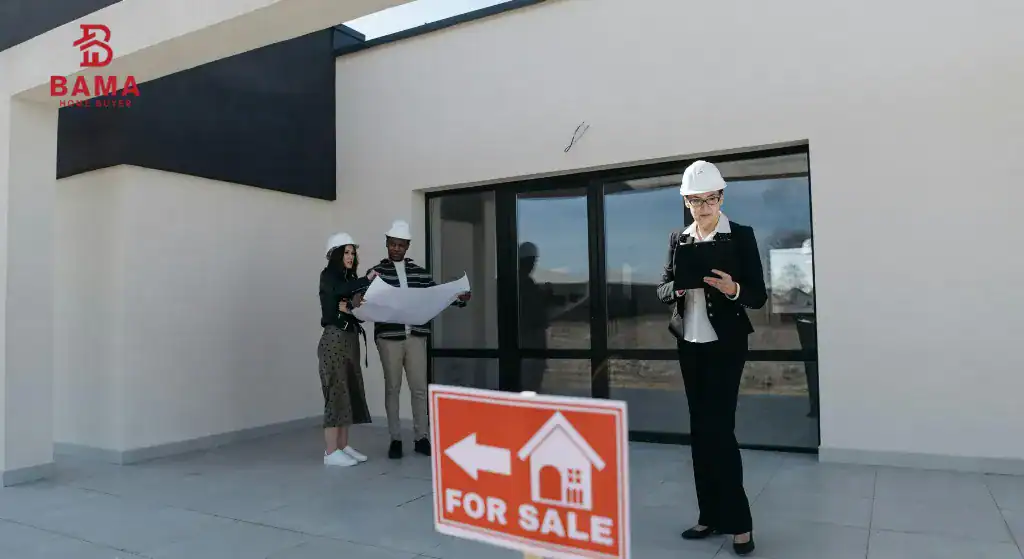
Buying a property is often an emotional experience. You walk in, the light hits the floorboards just right, or you see the sheer square footage of a warehouse, and your imagination runs wild. You are already placing furniture in your mind or calculating the ROI before you have even seen the basement. But here is the cold, hard truth: That "love at first sight" feeling can bankrupt you. Real estate is a high-stakes game of poker, and the building is often bluffing.
This is where due diligence real estate comes in. It is not just paperwork; it is your shield.
It is the magnifying glass you use to identify foundation cracks before they turn into bank account cracks. This phase is often skipped out of fear of "killing the deal."
What Is Due Diligence in Real Estate?
At its core, what is due diligence in real estate? It is simply the investigation period between having an offer accepted and closing the deal. During this time, the buyer verifies that the property is exactly what the seller claims it is.
It might be a physical mess, like a crumbling foundation, or legal headaches, like back taxes that nobody mentioned. Sometimes, it is even financial smoke and mirrors, where the seller manipulates rental figures to make the property appear more profitable than it actually is.
The best part of this window is the leverage it gives you. If you dig up a disaster, you are not trapped; you can usually force a price drop or just grab your deposit and walk away clean.

The Physical Inspection: Peeling Back the Layers
The most visible part of real estate due diligence is physical inspection. While a casual walkthrough might tell you if the paint is fresh, a professional inspection digs much deeper.
You need to know if the core systems of the building have life left in them. A fresh coat of paint can hide water damage, and the new carpet can cover cracked concrete.
Here is what you should focus on during the physical assessment:
- Structural Integrity: Are the walls shifting? Are the foundation settlements balanced?
- Roofing: How old is the roof? Does it have leaks or missing shingles?
- MEP Systems: Mechanical, electrical, and plumbing systems are expensive to replace. You need to know if the wiring is outdated or if the HVAC system is on its last legs.
- Pests and Mold: Termites can be eaten through your equity quickly. Black mold can make a property uninhabitable.
Legal and Title Review: Who Really Owns It?
Physical problems can be fixed with money, but legal problems can tie up a property in court for years. A crucial part of your investigation involves a title search.
You need to ensure the seller actually has the legal right to sell the property. It sounds obvious, but heirs, ex-spouses, or business partners sometimes pop-up claiming ownership after a contract is signed.
You are also looking for liens. If the previous owner did not pay a contractor for a kitchen renovation, that contractor might have placed a lien on the house. If you do not find it, that debt becomes your problem the moment you close.
Commercial Real Estate Due Diligence
Making the leap from residential to commercial is a whole different thing. The stakes get higher, and the checklist gets longer. You must ditch the emotional attachment and get hyper-analytical here, because at the end of the day, you are not just buying a structure; you are buying a business asset.
For commercial properties, you must verify the income. Sellers often present a "pro forma" that assumes the best-case scenario for rental income. You need to see the actual "rent rolls" and tax returns.
Are the tenants actually paying?
When do their leases expire?
Environmental concerns are also massive in the commercial sector. If you buy a building that used to be a gas station or a dry cleaner, the soil underneath could be contaminated. If you do not check this beforehand, the EPA could hold you responsible for the cleanup, which can cost millions. This is why a Phase I Environmental Site Assessment is standard in commercial deals.
Residential vs. Commercial Due Diligence
To help you understand the different scopes, here is a quick comparison of what you look for in each property type.
| Feature | Residential Due Diligence | Commercial Due Diligence |
| Primary Goal | Safety and livability | Income generation and liability |
| Inspection Focus | Roof, HVAC, Appliances | Structural, Phase I Environmental, Zoning |
| Financials | HOA dues, Taxes, Utilities | Rent Rolls, CAM Charges, Tenant Credit |
| Timeline | Typically 7 to 14 days | Typically 30 to 90 days |
| Legal | Property lines, Easements | Estoppel Certificates, Lease Audits |
Zoning and Land Use: Can You Build What You Want?
Never assume you can use a property however you like. Just because a piece of land is empty does not mean you can build a house on it. Just because a building has a storefront does not mean you can open a restaurant there.
Zoning laws dictate exactly what can be done with a property. During your real estate due diligence, visit the local planning department. Ask specific questions.
- Is the property in a flood zone?
- Are there setbacks that prevent you from expanding the building?
- Is the property in a historic district that restricts exterior renovations?
The Financial Audit
Whether you are picking up a simple duplex or a massive office park, the math simply has to make sense. You need to dig into those operating expenses yourself. It is funny how sellers often develop "selective memory" about the heavy hitters, like insurance premiums that are sky-high because of the neighborhood, or property taxes that are just waiting to spike.
Request the last two years of utility bills. Ask for proof of property tax payments. If there is a Homeowners Association (HOA), read the meeting minutes. They often reveal upcoming special assessments that could cost you thousands of dollars shortly after you move in.
When to Walk Away
The hardest part of due diligence is having the discipline to walk away. You have spent money on inspections and time on research. It feels like a waste to quit.
But the thing is, the cost of a poor purchase is far greater than the money you spent on inspection. Just walk away. If the foundation is shot, the title is tangled up, or the zoning kills your plans. It is better to lose the inspection fee than to lose your shirt.
Want to Skip the Headaches?
Does reading about structural engineers, zoning laws, and endless inspections make your head spin? We don't blame you. If you are looking to sell a property in Alabama and want to completely bypass the stress of repairs and picky buyers, head over to Bama Home Buyer. We buy houses exactly as they stand, so you can skip the due diligence nightmare and just get to the closing table.
Final Thoughts
The process might seem time-consuming, but honestly, it is the only thing that will keep you safe from going bankrupt. Real estate due diligence is not about finding cracks in the building; it is about confirming that your investment is safe. It gives you the confidence to sign the closing papers, knowing exactly what you are buying. Take your time. Hire the right experts. Ask the tough questions. Your future self will thank you for being a bit obsessive today.