
Ranch House Style: Everything You Need to Know
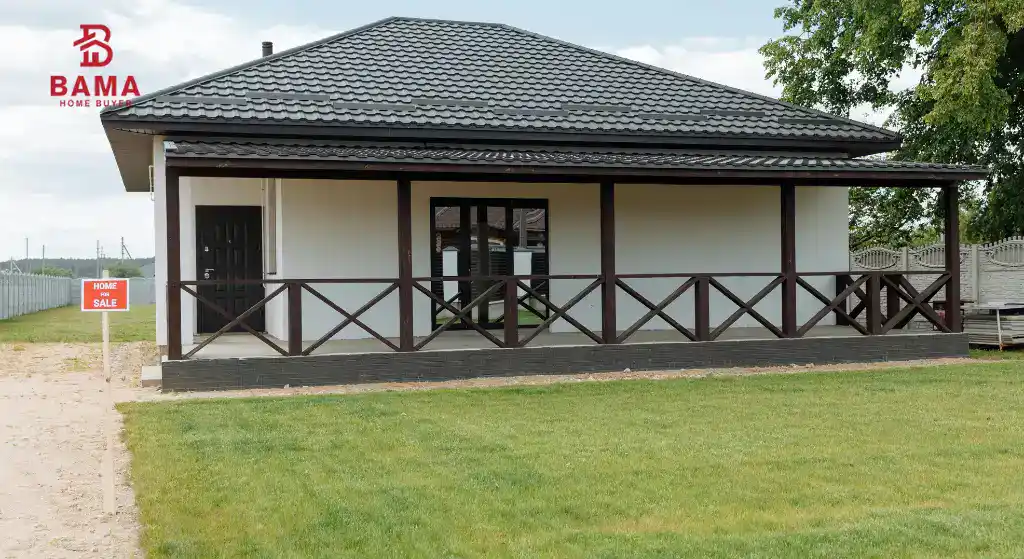
There is something undeniably comforting about a ranch house. Maybe it’s the way they seem to hug the ground, or perhaps it’s the promise of easy, stair-free living. If you drive through almost any American suburb, you will spot them immediately. They are the long, low homes that defined an entire era of post-war living. But don’t let their age fool you. In 2026, the ranch house is making a massive comeback, capturing the hearts of first-time buyers and retirees alike.
What Is a Ranch Style House?
Ranch style house refers to a type of residential architectural style native to the United States. The style is visually associated with a long footprint, low to the ground, and an extensive open layout. The idea combines modernist concepts with the American Western era's spirit of wide-open spaces, resulting in a highly informal and casual lifestyle.
Historically, the style dates back to the 1930s in California. Architects like Cliff May wanted to create homes that connected the indoors with the outdoors. They took inspiration from the working ranches of the American West and the Spanish Colonial architecture found in the region. The result was a single-story ranch house that felt spacious but unpretentious.

During the 1950s, ranch houses took over as the most popular style of home in America. It was the quintessential suburban dream: a yard for the kids, a garage for the car and a layout that made it easy to host dinner parties. Nowadays, we refer to them as mid-century ranch homes, and their owners are very happy with their strong foundations and classic appearance.
Key Architectural Features of Ranch Homes
You can usually spot a ranch house design from down the street. They don't try to tower over the neighbors. Instead, they spread out. Here are the defining traits that give ranch style homes their character.
The Exterior Look
The outside of a ranch house is distinct. You will notice a low-pitched roof house design with deep overhanging eaves. This isn't just for looks; it helps shade the windows from the hot sun. The footprint is usually U-shaped or L-shaped, although many mass-produced suburban American homes are simple rectangles.
A wide façade house is another giveaway. Since the house is one level only, it stretches along the lot horizontally. The materials differ, but most commonly you get a combination of brick and wood siding with perhaps some stucco, depending on the locale. And of course, the attached garage homes feature cannot be overlooked. The ranch style was among the very first architectural styles to completely incorporate the garage within the main structure, thus recognizing the evolution of the car culture.
The Interior Vibe
Step inside, and the first thing you notice is the flow. Ranch home architecture pioneered the open floor plan homes concept long before it became a buzzword on HGTV. The living area often flows directly into the dining space and kitchen.
There was a desire among the designers to scrap the well-mannered formal barriers that signified the Victorian era. The kitchen would certainly no longer be a secret area closed off behind a door, which mostly gets closed. Talking about a ranch-style house, the family is really united. And that's not all, you also get the famous indoor-outdoor living design that goes along with it. The major element of that is a large sliding glass door that opens straight to the backyard patio. It smudges the line between the inside and the outside, therefore, the house looks bigger than its actual square footage.
Common Types of Ranch Homes
Not all ranches look the same. Over the decades, architects have tweaked the formula to fit different landscapes and budgets. Here are the main types of ranch homes you might encounter.
California Ranch
The California ranch in question is vast and integrates perfectly with the natural surroundings. The house design naturally includes an L-shaped or U-shaped floor plan with a private courtyard allocated at the center. The whole setting is a classic example of a single-level house design that revolves around luxury and landscape.
Suburban Ranch
This is the version most people know. It is smaller and simpler than the California original. Built in mass quantities after World War II, these homes are often rectangular and sit on concrete slabs. They are practical, sturdy, and the backbone of American neighborhoods.
Split-Level Ranch
As lots got smaller, builders had to get creative. The split-level ranch uses staggered floor levels. You walk in the front door, and a half-flight of stairs goes up to the bedrooms, while another half-flight goes down to a den or garage. It keeps the horizontal look but adds vertical space.
Raised Ranch
This style is often confused with the split-level. A raised ranch (or split-entry) has a front door that opens to a landing. You immediately choose to go up a full flight of stairs to the main living area or down a full flight to a finished basement level. It’s a smart way to get more square footage on a smaller footprint.
Storybook Ranch
Also known as Cinderella ranches, these are the charming outliers. They take the basic ranch house floor plan and add whimsical details like diamond-paned windows, decorative trim, and steeper gabled roofs. They look like a cottage spread out over a single story.
If you have an inherited property in this style that needs too much work, you can always seek a quick sale; for instance, you can check out Bama Home Buyer if you need to sell a house fast in Alabama without the hassle of renovations.
Pros and Cons of Living in a Ranch House
Before you sign the deed, it is fair to weigh the good with the bad. Living in a single-story ranch house is a unique experience.
Benefits
- Safety and Accessibility: No stairs means no tripping hazards. It is safer for toddlers and perfect for aging in place. You can live in this house from your 30s well into your 90s.
- Easy Maintenance: Cleaning gutters and washing windows is a breeze when you can reach everything with a step stool. No dangerous extension ladders are required.
- Energy Efficiency: A horizontal home design is easier to heat and cool. You don't have heat rising to an upstairs that you rarely use.
- Open Feel: The connection to the yard makes the home feel open and airy, unlike boxy colonials.
Drawbacks
- Privacy: Since all bedrooms are on the ground floor, you might feel exposed if you live on a busy street.
- Yard Space: Because the house spreads out, it eats up a lot of the lot. A 2,000-square-foot ranch takes up twice as much grass as a 2,000-square-foot two-story home.
- Noise: In a ranch house floor plan, the bedrooms are often right down the hall from the living room. If someone is watching TV late at night, the sound travels easily to the sleeping quarters.
Ranch House Exterior and Curb Appeal
The ranch house exterior is all about horizontal lines. If you want to boost the curb appeal of a ranch style home, focus on landscaping. Because the house is low, you don't want tall trees blocking the view. Use low shrubs and spreading plants that mimic the house's lines.
Why Investors Love Ranch Homes?
Real estate investors have a soft spot for ranch style homes. They are structurally simple. Rectangular shapes are easy to fix, easy to roof, and easy to plumb. There are no complex roof valleys or second-story plumbing leaks to ruin a ceiling.
If you find yourself with a property that doesn't fit your needs anymore, remember that companies like Bama Home Buyer specialize in purchasing homes in as-is condition for cash.
Interior Design Tips for Ranch Homes
When decorating a ranch house interior, respect the architecture. You don't want to fill a mid-century home with heavy Victorian furniture. It just feels wrong.
- Go Low: Use furniture with low profiles. Low-slung sofas and chairs make the standard 8-foot ceilings feel higher.
- Embrace Glass: Keep window treatments minimal. Let the light pour in.
- Mix Materials: Use wood, leather, and metal. The ranch home architecture was born in an era of experimentation with materials.
- Flow Matters: Keep the pathways clear. The joy of a ranch style house is the ability to walk from one end to the other without bumping into things.
Final Words
The ranch house style is more than just a trend from the history books. It is a practical, beautiful, and deeply American way of living. From the single-story ranch style homes of the 1950s to the renovated marvels of 2026, this design has stood the test of time.
Whether, for their retro cool, you love the mid-century ranch homes or the suburban ranch for its sensible layout, there is no denying the appeal of these types of houses. They give you a feeling of being connected with the ground, with the outdoors, and with a simpler way of living. Elevating and complicating, the world is going on around us and with this, a ranch house seems to be the perfect place to keep your feet on the ground.