
What to Look for During a Home Inspection?
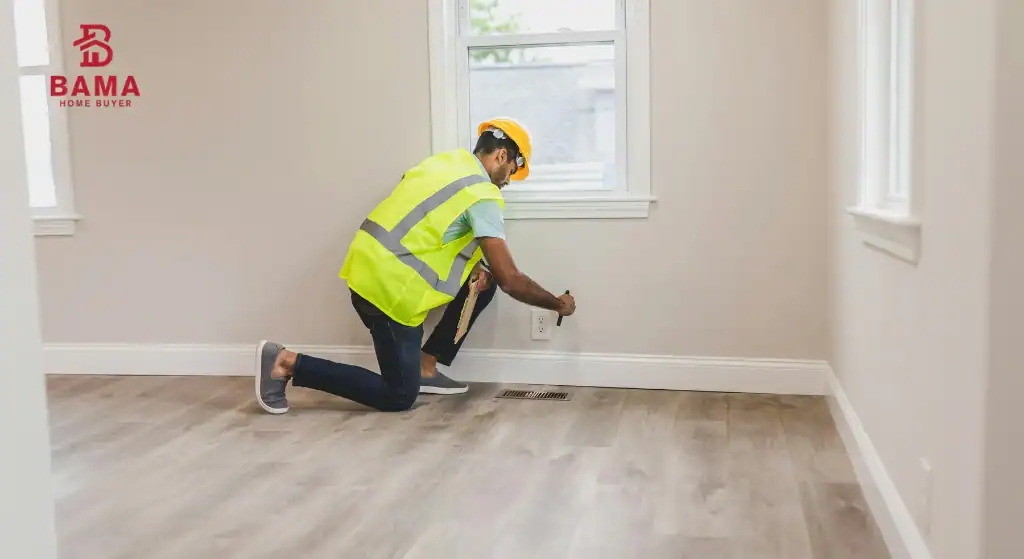
Buying a house is a huge step. It is likely the biggest thing you will ever spend money on. Because of this, you need to know exactly what you are getting. A professional look at the property is the only way to be safe. We call this a home inspection.
Many people feel nervous during this time. You might wonder, what to look for during a home inspection to make sure the house is solid? You do not want to find out about a leaky roof or a broken heater after you move in.
In 2026, the housing market has changed. Buyers are now much more careful. According to recent 2026 real estate data, about 85% of successful buyers now insist on a full inspection before closing the deal. They know that a small fee now can save thousands of dollars later.
Why You Need a Home Inspection Checklist?
A home inspection checklist is your best friend. It helps you stay organized. Without a list, it is easy to get distracted by pretty paint or new carpets. You need to look past the surface. You need to see the "bones" of the house.
Most pros use a property inspection checklist that covers hundreds of items. As a buyer, you should follow along. This ensures you understand the health of the home. It also gives you a chance to ask the inspector questions.
If you are looking to sell a house fast without the stress of repairs, Bama Home Buyer can help you move forward quickly.

The Exterior: First Impressions and Hidden Clues
The outside of the house tells a story. It shows how well the previous owners took care of the place.
Roof Condition and Gutters
The roof is your first line of defense. A home inspection guide always starts here. Look for shingles that are missing or curling. This is a sign of age. In 2026, roof repairs are more expensive than ever. A new roof can cost between $10,000 and $20,000 depending on the size.
Check the gutter condition as well. Are they pulled away from the house? Do they have leaves growing in them? If gutters fail, water hits the ground and soaks the foundation. This leads to drainage system failures.
Foundation and Walls
Walk around the edge of the house. Look for foundation cracks. Small hairline lines are often okay. However, large gaps or horizontal cracks are major home inspection red flags. These suggest the ground is shifting.
Look at the siding damage. Peeling paint or cracked wood can let bugs and water inside. Also, check for driveway cracks. While a cracked driveway is common, it can show how the soil moves around the property.
Landscaping and Drainage
The ground should slope away from the home. This is called landscaping drainage. If the yard tilts toward the walls, water will pool. Standing water is a recipe for a wet basement and mold.
The Inner Workings: Systems You Cannot Ignore
Inside the house, things get more technical. This is what do home inspectors look for most closely. These systems are the heart of the home.
Electrical Wiring Problems
Faulty wires are a huge fire risk. An inspector will open the panel. They look for electrical wiring problems like "double tapping" or old wires. They check if the outlets are grounded.
"A home with old wiring is like a ticking clock," says master inspector John Reed. "You might not see the danger until it is too late."
Plumbing Issues and Water Pressure
Turn on the faucets. Is the water pressure strong? Flush the toilets. Do they drain fast? Inspectors look for plumbing issues under every sink. They search for drips, rust, or corrosion.
They also check the water heater. If it is over 10 years old, it might need a replacement soon. This is a common hidden home issue that buyers miss.
HVAC System Condition
The HVAC system condition is vital for your comfort. The furnace and air conditioner should run quietly. If they make a banging sound, there is a problem. Replacing a full HVAC system in 2026 can cost over $8,000. This is one of the major vs minor defects you must weigh.
Looking High and Low: Attics and Basements
These are the areas most people skip during a tour. But they hold the most secrets.
Attic Ventilation and Insulation Quality
Go up into the attic. Is it hot and stuffy? That means there is poor attic ventilation. Good airflow keeps the roof cool and prevents ice dams.
Check the insulation quality. You should see a thick layer of fluff. If you can see the wooden floor beams, there is not enough insulation. This will make your electric bills very high. Also, look for ceiling stains which signal a roof leak.
Basement and Crawl Space
A smelly basement usually means mold. Inspectors look for water stains on the floor or walls. They also check load-bearing walls for any bowing or leaning. If the basement is finished, they look for wall cracks hidden behind the drywall.
Health and Safety: The Silent Risks
Some dangers you cannot see with just your eyes. These are things to check during house inspection that involve testing.
Mold and Radon Testing
Mold inspection is a separate service but very important. Mold can make you sick. Another silent killer is radon. This is a gas that comes from the ground. Radon testing is the only way to know if it is there. In 2026, radon is found in about 1 out of every 15 homes in the US.
Fire and Carbon Monoxide Risks
Every home needs working smoke detectors. They also need carbon monoxide alarms near the bedrooms. These are simple fixes but they save lives. Inspectors also look for fire hazards like blocked exits or flammable items near the furnace.
First Time Home Buyer Inspection Checklist
If this is your first house, the process feels scary. Use this first time home buyer inspection checklist to stay calm:
- Check every window: Do they open and lock? Is the window sealing tight?
- Test the doors: Look for door alignment. If they stick, the house might be shifting.
- Look at the floors: Check the flooring condition. Are there soft spots near the tub? That means rot.
- Smell the air: Do you smell smoke or musty odors?
- Ask about the age: How old is the roof? How old is the heater?
Remember, no house is perfect. Even a brand-new home will have a few marks on the report. Your goal is to find the deal breakers in home inspection. These are the problems that cost too much to fix.
Understanding the Financial Impact
A good report helps you plan. You can get a repair costs estimate for the big stuff. If the house needs $20,000 in work, you can ask the seller to lower the price.
Sometimes, the list of problems is just too long. Knowing what to check when buying a house gives you the power to walk away. You should never feel forced to buy a "money pit."
For a simple and fair cash offer on your property without doing any of these repairs, visit Bama Home Buyer today.
Final Words
Knowing what to look for during a home inspection is about protection. It is about your family's safety and your bank account's health. Take your time. Walk with the inspector. Take notes on the house inspection checklist before buying.
If you find a lot of hidden home issues, do not panic. Use the info to talk to the seller. Or, decide if this is the right home for you. A house is more than just walls and a roof. It is where your life happens. Make sure it is a safe place to be.
FAQs