
Should You Renovate Before Selling? Cost vs. Value Analysis
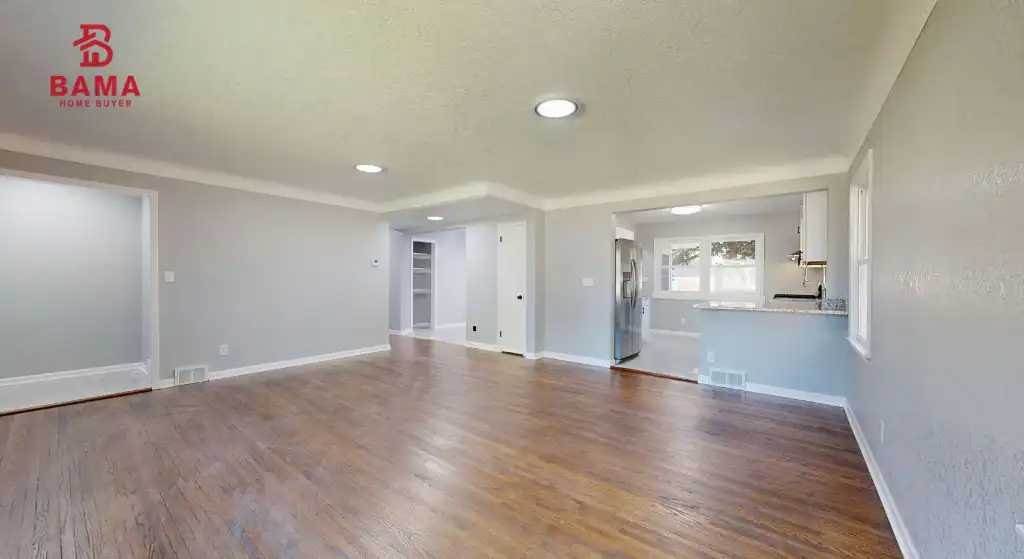
The moment you decide to sell, you probably start looking at your house with a much more critical eye. You notice every chipped baseboard and that old-fashioned tile in the guest bath, which leads to the biggest question of all: Is it worth fixing these things before you list? It is a tough spot to be in. On the one hand, you want the house to look perfect so you can get the best possible offer. On the other hand, there is a very real risk of spending way more on upgrades than you will ever see back when the deal closes. Finding that middle ground is where the real strategy comes in.
The real estate landscape has shifted significantly as we move into 2026. With fluctuating interest rates and a more discerning buyer pool, the traditional advice of "fix everything first" no longer applies universally.
To make the right choice, you must look past the aesthetic appeal and focus strictly on the ROI on home improvements.
The Reality of the Cost vs. Value Ratio
In the world of real estate, there is a fundamental difference between "added value" and "recovered cost." Just because a new marble countertop costs you $10,000 does not mean the market value of your home increases by that same amount. In many cases, major renovations only return 60% to 70% of their cost.
To maximize your profit, you must identify the projects where the cost vs value real estate 2026 data shows a high recovery rate. The goal is to spend $1,000 to gain $2,000 in equity, or at the very least, to ensure the home sells faster in a competitive market.

High-Impact Pre-Sale Home Renovations
If you decide to pick up the hammer, focus on "invisible" value and cosmetic refreshes. Buyers in the current market are often exhausted by high monthly payments, meaning they want a home that is move-in ready without major looming maintenance issues.
1. Curb Appeal and First Impressions
You never get a second chance to make a first impression. Small investments in the exterior often yield the highest returns. This includes:
- Fresh mulch and basic landscaping.
- Painting the front door a bold, welcoming color.
- Replacing old, weathered mailboxes or house numbers.
- Pressure washing the driveway and siding.
2. Minor Kitchen Refreshes
The kitchen remains the heart of the home, but a full "gut" renovation is rarely worth it right before a sale. Instead, focus on minor updates. Replacing dated cabinet hardware, installing a modern backsplash, or even professional cabinet painting can transform the room for a fraction of the cost of a full remodel.
3. Neutralizing the Interior
Your love for deep navy walls or floral wallpaper might be a deterrent for others. One of the most effective pre-sale home renovations is a fresh coat of neutral paint (think soft whites or warm greys). It makes the space feel larger, cleaner, and allows buyers to envision their own furniture in the room.
The Cost vs. Value Breakdown: 2026 Estimates
The following table outlines common projects and their estimated return on investment based on current market trends.
| Renovation Project | Average Cost | Estimated ROI | Impact on Sale Speed |
| Interior Painting (Neutral) | $2,000 - $4,000 | 100% - 105% | High |
| Minor Kitchen Update | $10,000 - $15,000 | 75% - 85% | Medium |
| Refinishing Hardwood Floors | $3,000 - $5,000 | 100% | High |
| Major Bathroom Remodel | $25,000+ | 50% - 60% | Low |
| New Front Door (Steel) | $2,000 | 90% - 100% | Medium |
| Basic Landscaping | $1,000 - $3,000 | 100% | High |
The Danger of Over-Improvement
A common mistake homeowners make is "improving" themselves out of the local market. Every neighborhood has a price ceiling. If the most expensive home in your area sold for $400,000, and your home is currently worth $375,000, spending $50,000 on a luxury basement finish is a losing strategy. You will likely never see that money again because the neighborhood comps cannot support a $425,000 valuation.
Before starting any major project, look at the "comps" (comparable sales) within a one-mile radius. If every house sold has original 1990s bathrooms, you do not need to install a spa-grade wet room to compete. You simply need to be the cleanest, most well-maintained version of the existing standard.
When Should You Sell As-Is?
Renovating is not always the answer. There are several scenarios where selling your home in its current condition is the smarter financial move:
- Financial Constraints: If you have to take out a high-interest loan to fund the repairs, the interest eaten over the months of renovation could wipe out any potential profit.
- Time Sensitivity: If you need to move for a job or family emergency, a three-month renovation project is a liability, not an asset.
- Major Structural Issues: If the home needs a new foundation or extensive mold remediation, these are "sunk costs." You likely won't profit from fixing them; you will only be "levelling the playing field."
In these cases, selling to a professional buyer is often more lucrative.
Understanding Buyer Psychology in 2026
Modern buyers are heavily influenced by "Instagrammable" aesthetics, but they are also more savvy about inspection reports. In 2026, maximizing home resale value requires a two-pronged approach: making it look good in photos while ensuring the "guts" of the house (HVAC, roof, plumbing) won't scare off a buyer during the inspection contingency period.
If you have a limited budget, always choose to fix a leaky roof over installing new light fixtures. A buyer can change a lamp, but a failed inspection due to water damage can kill a deal entirely.
Skip the Stress and Sell Directly
If the thought of managing contractors, living in a construction zone, and gambling with your savings feels overwhelming, there is a simpler path. At Bama Home Buyer, we purchase properties in their current condition. You do not have to pick up a paintbrush, replace the carpet, or even clear out the clutter. We provide a fair, straightforward solution for homeowners who want to skip the renovation headache and move directly to the closing table. Contact us to see how we can help you sell your home without the traditional stress.
Conclusion
At the end of the day, there is no single rule that works for everyone. It mostly comes down to what homes are selling for in your neighborhood and how much of your own cash you are willing to gamble. Small updates like a new paint or a little work in the yard can help you find a buyer fast. Sinking a lot of money into massive remodels often leaves you with a smaller profit margin. You must decide if the stress of a construction project is worth the risk, or if it’s smarter to just walk away with your equity and let the next owner worry about the renovations.